When Infertility Makes You Feel Like Roommates: Staying Connected When Trying to Conceive Takes Over
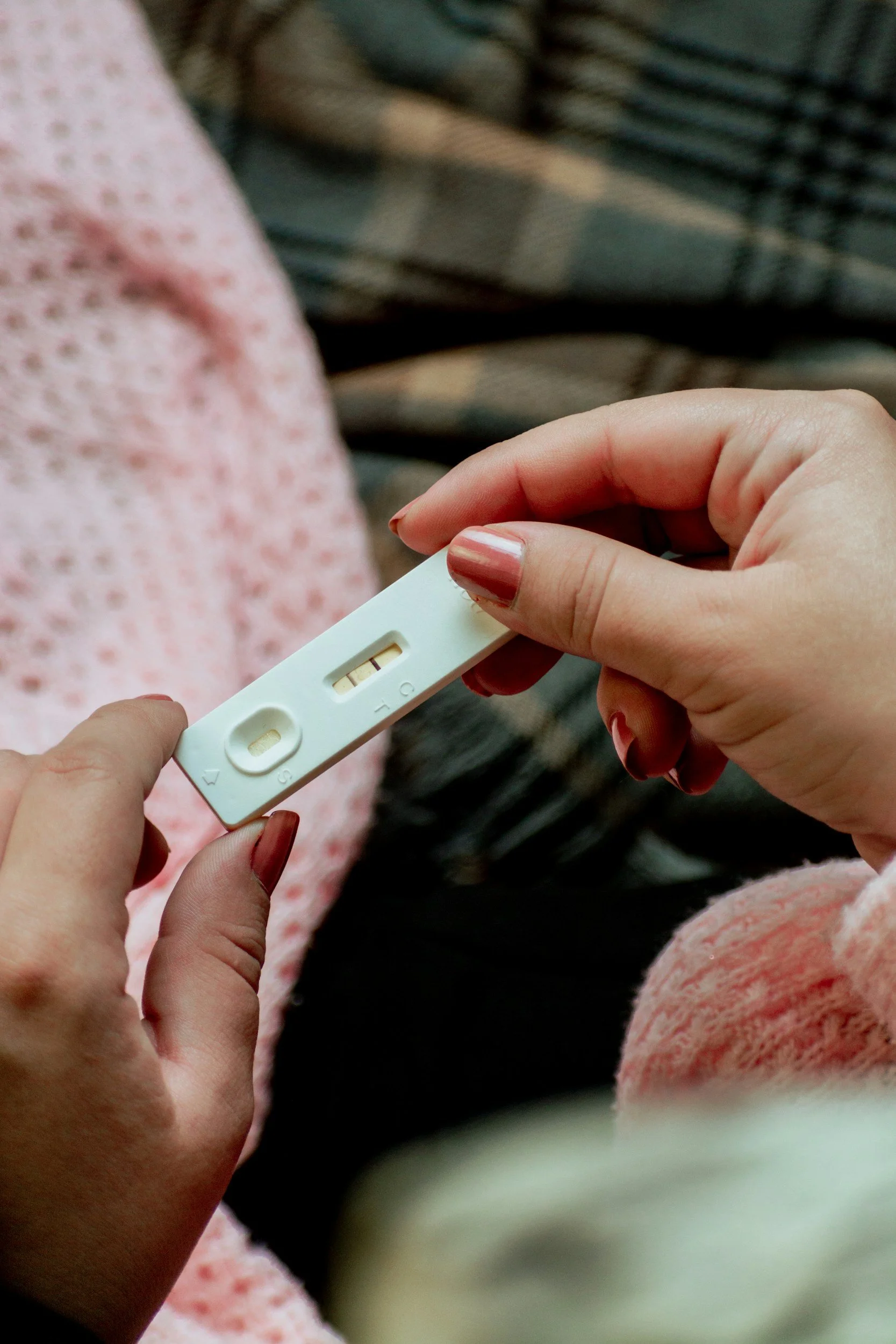
You planned trips without checking a treatment calendar. Sex wasn't scheduled around ovulation. Dinner conversations weren't interrupted by discussions about medications, appointments, test results, or what the doctor said. Then infertility entered the relationship.

"I Don't Recognize Myself Anymore": How Infertility Can Change Your Identity
One of the parts of infertility that doesn't get talked about enough is the way it can affect your identity. Because infertility isn't only about wanting a baby. Sometimes it's also about looking in the mirror somewhere along the way and thinking: I don't even feel like myself anymore.

"I Don't Want My Kids to Feel How I Felt": Cycle Breaking When You Become a Parent
Sometimes becoming a parent brings your childhood back to you in ways you weren't expecting. You watch your child cry and remember being told to stop. Your child makes a mistake and you remember how afraid you were to make one. They disagree with you, and suddenly you can hear the voices you grew up with. Or maybe you find yourself saying something your parent used to say, and immediately think: Oh no. I don't want to do this to my kids.

Why You Can't "Think" Your Way Out of Trauma (And Why That's Actually Good News)
Traditional talk therapy can be incredibly helpful for many concerns. It allows you to process emotions, gain insight, and develop healthier coping skills. But trauma often requires something more. That's because trauma isn't stored only as a story. It's also stored as physical sensations, emotional responses, and nervous system patterns.

Why Nurses and Healthcare Professionals Feel Guilty Taking Time Off (And Why That Guilt Isn't Yours to Carry)
You stay late because someone needs help. You skip lunch because your patients come first. You answer work texts on your days off. You agree to "just one more shift." Little by little, your own needs move lower and lower on the priority list.

Why Medical Professionals Feel Emotionally Numb After Work (And Why It Doesn't Mean Something Is Wrong With You)
You clock out after a twelve-hour shift, get in your car, and sit in silence. You go home to your family but feel distant. Someone asks how your day was, and you honestly don't know what to say because it all feels like a blur.

You Don't Have to Wait for a Crisis: Preventing Burnout and Compassion Fatigue in First Responders
Burnout and compassion fatigue often develop gradually. Because the changes happen slowly, many people don't recognize them until they begin affecting their work, relationships, health, and overall quality of life.

When Work Trauma Follows You Home: How First Responder Stress Impacts Relationships
Even when the shift ends, the emotional impact of the job often follows them home. The difficult calls, critical incidents, stressful decisions, and constant pressure can linger long after the uniform comes off.

Why More First Responders Are Choosing Private Pay Therapy in 2026
If you're a first responder, medical professional, dispatcher, or healthcare worker, you've likely spent years being the person others rely on during difficult moments. You show up when people are scared, overwhelmed, injured, grieving, or facing a crisis. What many people don't see is the toll that responsibility can take behind the scenes.

Shift Work, Trauma, and Emotional Distance: Protecting Your Relationship Under Pressure
Many first responders and healthcare workers work overnight shifts, rotating schedules, extended hours, weekends, and holidays. Sleep schedules become inconsistent. Time together becomes limited. One partner may feel emotionally exhausted while the other feels lonely, disconnected, or unsupported.

Why Medical Professionals and First Responders Struggle to ‘Turn Off’ at Home
Many first responders and medical professionals unknowingly stay stuck in survival mode even after they come home. Their nervous system remains activated, making it difficult to relax, sleep, emotionally connect, or fully feel present at home.

When Both Partners Are Helpers: The Emotional Toll of First Responder and Medical Professional Relationships
Shift work and unpredictable schedules can add another layer of strain. Couples may feel like they are constantly “passing each other” instead of truly connecting. Missing holidays, interrupted sleep schedules, overnight shifts, and emotional exhaustion can all make it harder to maintain emotional closeness and quality time.

“We’re Fine” - The Lie a Lot of Strong Couples Tell (Especially in First Responder Families)
“We’re fine.” It’s one of the most common phrases I hear from couples… and also one of the least accurate. Because “fine” usually means: “We’re not fighting every day…” “We’re making it work…” “We’re just busy…” But underneath? There’s distance. Disconnection. And a quiet feeling that something isn’t quite right.

The “I’ll Just Handle It” Mentality- How It’s Quietly Hurting First Responder Marriages (Rocklin, CA)
There’s a phrase I hear a lot from both first responders and their partners: “I’ve got it.” And on the surface? It sounds strong. Capable. Put-together. But underneath? It often means: “I don’t want to burden you.” “I don’t know how to talk about this.” “I’ll deal with it myself.” And that mindset… while it works on the job… can quietly break connection at home.

“We Don’t Talk Like We Used To”-What Can Happen to First Responder Relationships Over Time (Rocklin, CA)
There’s a moment a lot of couples hit, but no one really talks about it. It’s not one big fight. It’s not a dramatic breaking point. It’s quieter than that. You just wake up one day and think: “We don’t talk like we used to.” If you’re in a first responder relationship… whether you’re in law enforcement, fire, EMS, or married to someone who is… you probably felt that shift slowly.

First Responder Burnout and Marriage: How Couples Can Stay Strong
First responders dedicate their lives to helping others during emergencies. Police officers, firefighters, EMTs, and other emergency professionals carry tremendous responsibility every day. While this work is meaningful, the constant exposure to high-stress situations can lead to burnout, which can affect both mental health and relationships.
Why First Responders Sometimes Struggle to Open Up at Home
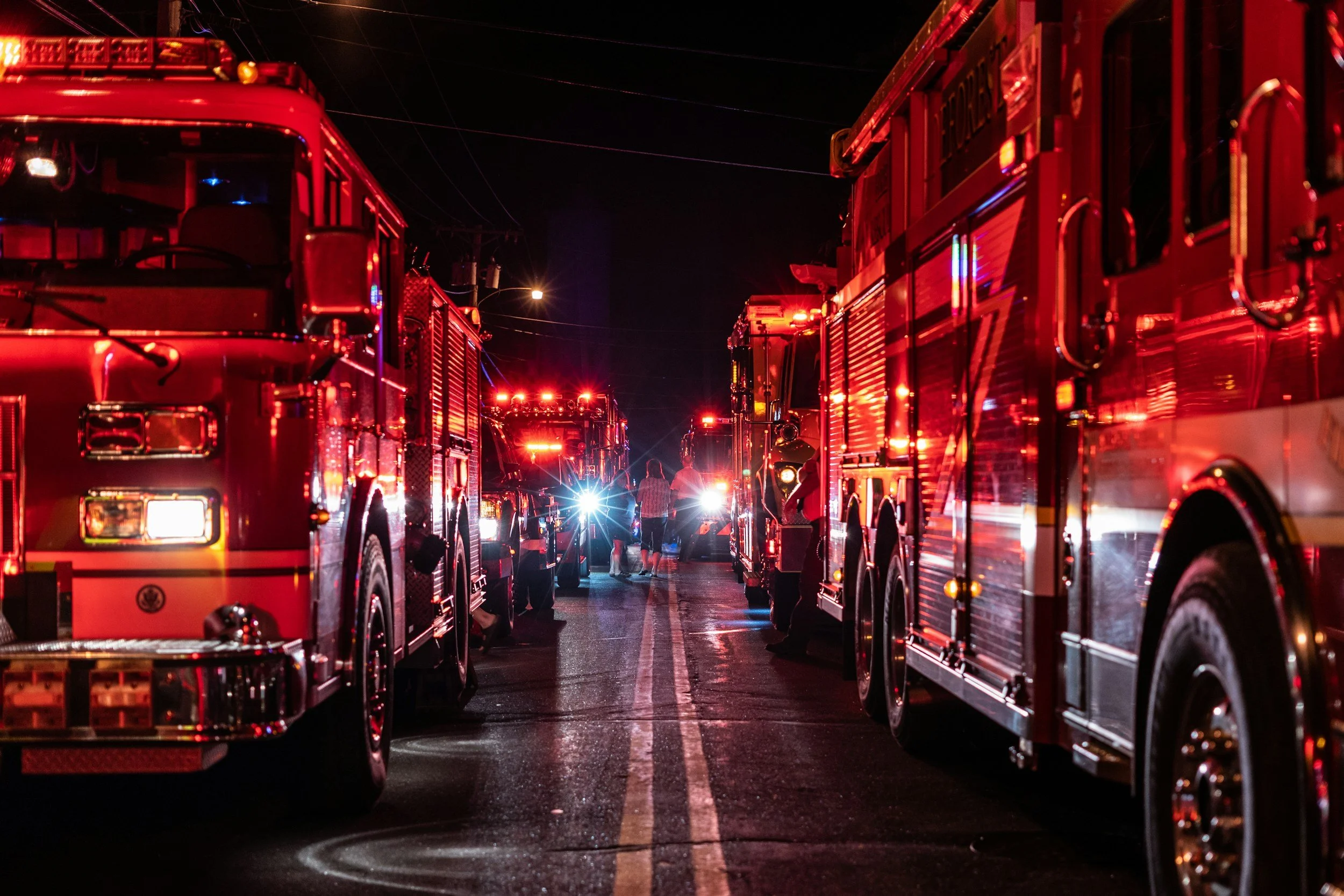
First responders are trained to remain calm and focused during emergencies. Whether responding to accidents, fires, or medical crises, they must stay emotionally steady in order to make quick decisions. While this skill is essential on the job, it can sometimes make emotional connection at home more difficult.

How Shift Work Affects First Responder Marriages (And How Couples Stay Connected)
First responder careers demand sacrifice. Police officers, firefighters, EMTs, and other emergency professionals often work overnight shifts, long hours, and unpredictable schedules. While these careers are vital to our communities in Rocklin, Roseville, and the greater Sacramento area, they can create unique challenges within relationships.

Couples Therapy in Rocklin, CA: Strengthen Communication & Reconnect
If you’re feeling stuck in repetitive arguments or emotional distance, couples therapy in Rocklin, CA can help you rebuild connection and communicate with clarity and compassion.

Anxiety Therapy in Rocklin, CA: Tools That Really Work
If your heart races out of nowhere, your thoughts spiral at night, or you feel constantly “on edge,” you’re not alone. Anxiety is one of the most common reasons people seek therapy in Rocklin, CA, and it can feel exhausting.