
Infertility Isn’t Just Medical - It’s Emotional, Relational, and Often Traumatic
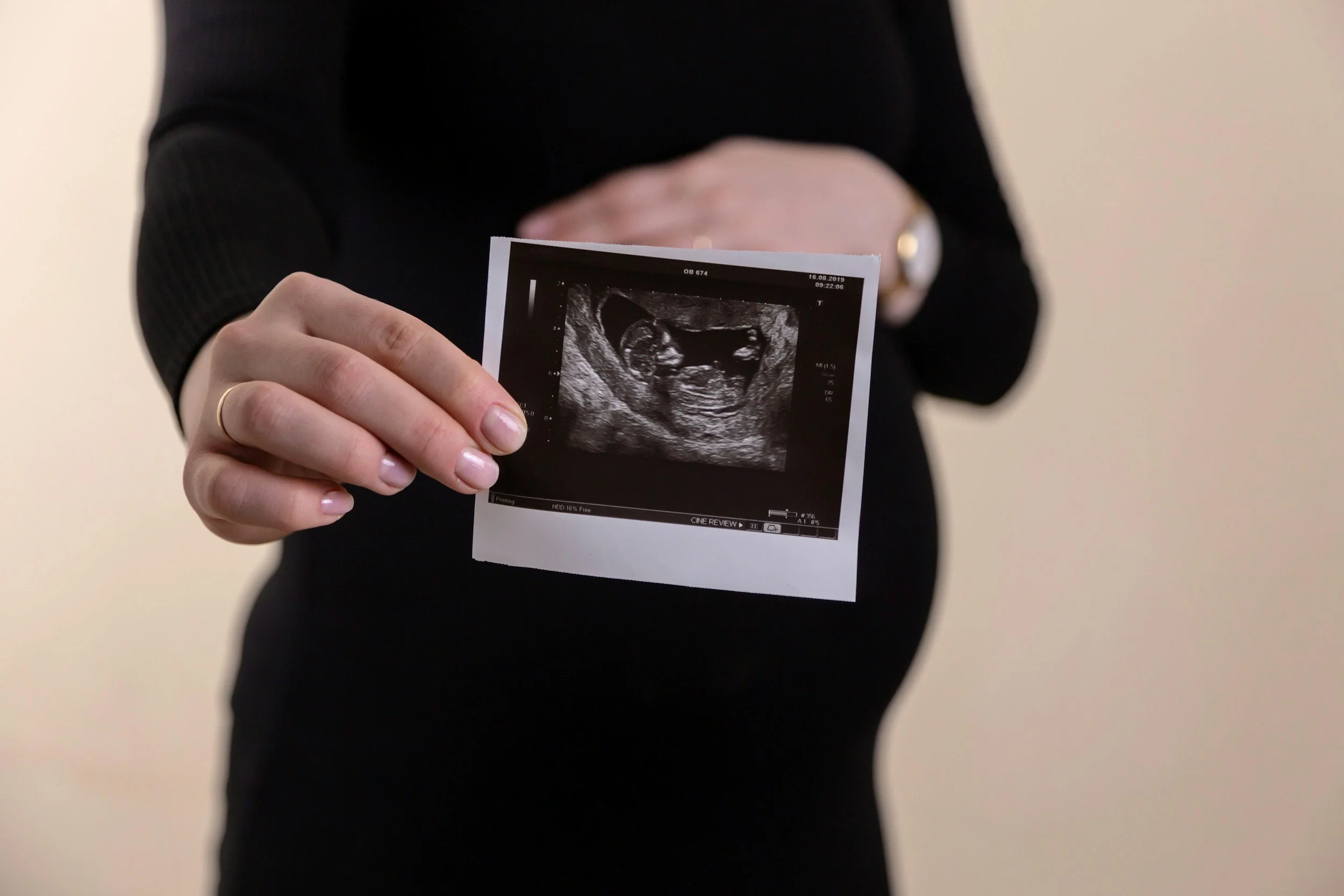
Infertility doesn’t just live in doctor’s offices, test results, or calendars marked with ovulation windows. It lives in your body. It shows up in the silence after another negative test. In baby showers you smile through while your chest tightens. In the quiet grief no one sees because there was never a “loss” others could name. And for many women, it brings a kind of emotional whiplash… hope, disappointment, resolve, exhaustion… all cycling faster than your nervous system can recover. If you’ve walked this road, you know how isolating it can feel.
The Hidden Trauma of Infertility
Infertility is often framed as a medical problem to be solved. But emotionally, it can function like trauma, especially when the experience is prolonged, uncertain, and deeply personal.
For many women, infertility creates:
Chronic anxiety and hypervigilance
A sense of betrayal by their own body
Grief that never fully resolves
Shame, comparison, and isolation
Emotional shutdown as a form of self-protection
And yet, many women are told to “just stay positive” or “relax and it will happen,” minimizing the real psychological toll infertility takes. When your body is repeatedly placed in cycles of hope and loss, the nervous system learns to stay on high alert, waiting for the next disappointment.
Infertility Through the Lens of a Fire Wife
Being married to a first responder already means living with unpredictability, stress, and emotional containment. As a fire wife, I understand what it’s like to hold your breath… waiting for calls to end, shifts to be over, and emergencies to pass. Infertility layered onto that lifestyle can feel especially heavy.
When your partner’s job requires strength, steadiness, and emotional control, many women feel pressure to be “the strong one” at home too… even while privately unraveling. You may downplay your pain, carry your grief quietly, or feel guilty for needing support when so much else feels urgent. I know this space intimately… not just professionally, but personally.
Why EMDR Therapy Can Help with Infertility-Related Trauma
Eye Movement Desensitization and Reprocessing (EMDR) therapy helps address how distressing experiences are stored in the brain and body. Infertility isn’t one single event, it’s often cumulative. Each appointment, test, comment, and loss layers onto the last.
EMDR allows us to gently process:
Repeated disappointments and unresolved grief
Medical trauma and invasive procedures
Loss of trust in your body
Identity shifts around womanhood or motherhood
Emotional triggers related to pregnancy announcements or milestones
Instead of reliving pain, EMDR helps your nervous system reprocess it - reducing emotional intensity and allowing space for regulation, self-compassion, and healing.
You Don’t Have to Be “Trying” to Deserve Support
Many women hesitate to seek therapy because they worry their pain isn’t “enough.” Maybe you haven’t gone through IVF. Maybe there was no official diagnosis. Maybe you’re tired of explaining yourself. But infertility grief does not need justification. Private-pay EMDR therapy offers a space where your experience doesn’t need to fit into a diagnosis or timeline. You are not rushed, labeled, or reduced to symptoms. We focus on you - your story, your nervous system, and your healing.
What Healing Can Look Like
Healing doesn’t mean erasing grief or forcing acceptance.
It may look like:
Feeling less hijacked by anxiety
Releasing shame tied to your body
Being present without bracing for disappointment
Reconnecting with your partner emotionally
Finding peace… even amid uncertainty
EMDR doesn’t promise outcomes, but it does offer relief from carrying infertility alone.
A Space Where Your Story Is Understood
Infertility is not a failure. It is not a weakness. And it is not something you need to “power through.” If you are navigating infertility and feel emotionally exhausted, disconnected from yourself, or overwhelmed by grief that others don’t see, you deserve care that understands the depth of this experience. As both a therapist and a fire wife who has walked this path personally, I bring not only clinical training but deep empathy into this work.
If you’re ready to explore healing in a space that honors both your strength and your pain,
EMDR therapy may be a supportive next step.
You are not broken.
You are not alone.
And your story matters.
If this resonates, I invite you to learn more about working with me.