
The Cumulative Trauma in First Responders - How Therapy Helps
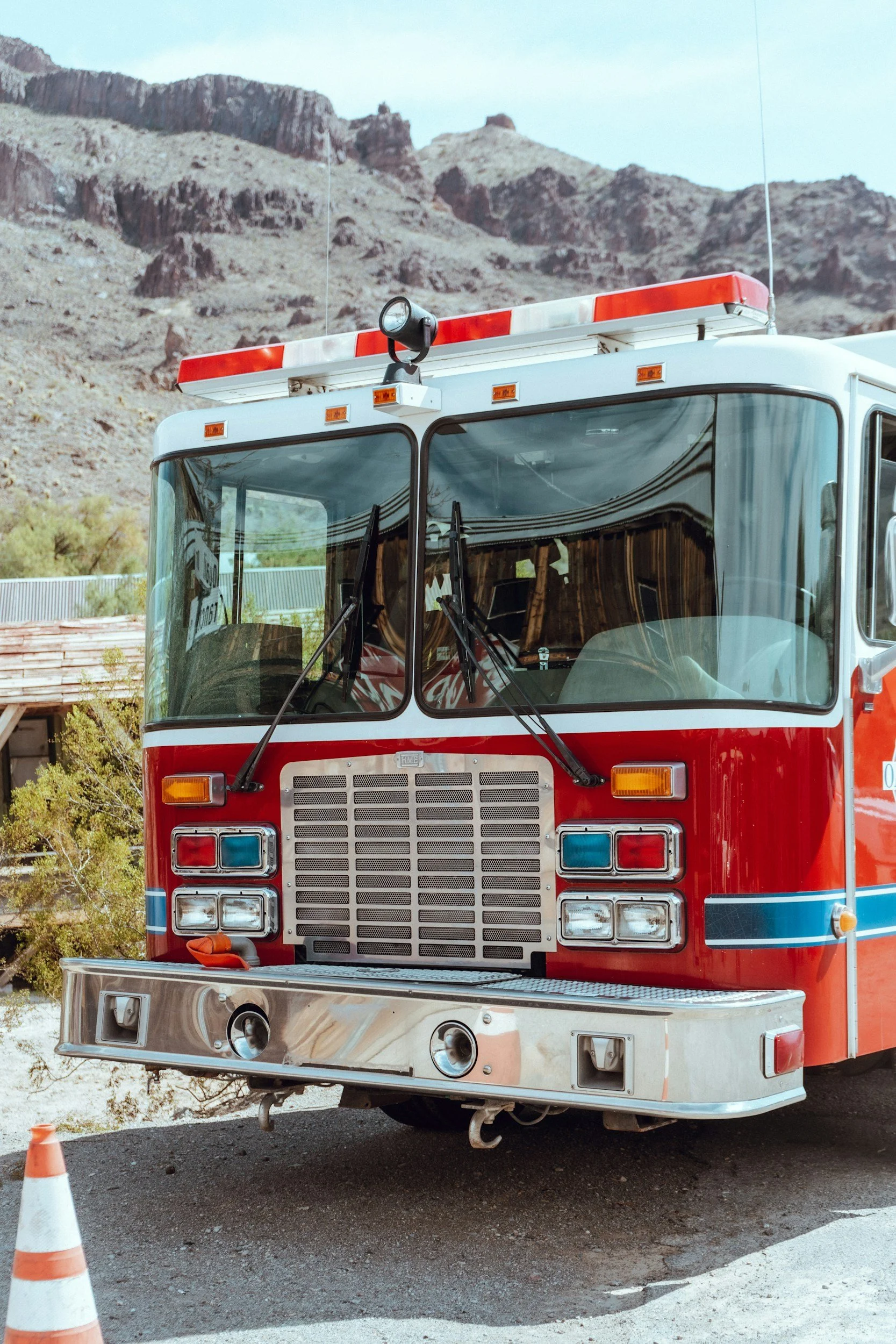
Trauma for first responders rarely arrives as a single, isolated event. Unlike civilians, who may encounter one or two major crises in a lifetime, firefighters, police officers, EMTs, and dispatchers face repeated exposure to emergencies, sometimes multiple times a day. Over time, these experiences don’t just fade away. They stack, accumulating in the nervous system and shaping emotional, physical, and relational wellbeing. This long-term buildup is known as cumulative trauma, and it is one of the most significant, yet most overlooked, mental health challenges first responders face.
Why Trauma Adds Up Over Time
Cumulative trauma develops slowly, quietly, and often without immediate signs. Because the job requires functioning under pressure, many responders learn to push distress aside in order to perform. But the body remembers what the mind ignores.
1. “I’m Fine” Becomes a Survival Strategy
From training onward, responders receive the message, sometimes spoken, sometimes implied, that emotional expression is a weakness. Admitting fear, sadness, or overwhelm may feel unsafe in the culture of constant readiness. Saying “I’m fine” becomes a shield, even when they’re far from it.
2. The Nervous System Adapts to Chaos
Repeated exposure to high-stress environments conditions the nervous system to stay in a heightened state of alertness. The fight-or-flight response fires constantly, leaving responders wired, restless, and unable to fully relax… even at home. What feels like “normal” is actually chronic dysregulation.
3. Emotional Numbing Takes Over
When the human heart absorbs more pain than it can process, it often shuts down emotional capacity to survive. Many responders describe feeling flat, distant, or disconnected from their loved ones. Numbness becomes easier than feeling the truth of the job.
4. Small Triggers Hit Much Harder
Because the nervous system is already overloaded, even minor stressors… traffic, conflict, loud noises, or unexpected disruptions… can lead to disproportionate emotional reactions. These moments often confuse responders who think, “Why did that set me off?” The answer is cumulative trauma.
Common Signs of Cumulative Trauma in First Responders
Cumulative trauma looks different from person to person, but common symptoms include:
Emotional exhaustion or burnout
Irritability, impatience, or sudden anger
Nightmares or intrusive memories
Difficulty relaxing or sleeping
Increased use of alcohol or avoidance behaviors
Feeling numb, detached, or disconnected from loved ones
Loss of empathy, compassion, or patience
Difficulty concentrating or feeling present
These are not personal failures. They are physiological responses to prolonged stress and repeated exposure to traumatic events.
How Cumulative Trauma Affects Relationships
Cumulative trauma doesn't stay at work, it follows responders home. Partners may notice emotional distancing, shorter tempers, less communication, or a shift in personality over time. Children may perceive the changes too, even if they don’t fully understand them. Without intervention, these patterns can strain marriages, family dynamics, and friendships.
But most importantly, none of this is the responder’s fault. Trauma affects the entire nervous system, not just the mind.
How Therapy Helps First Responders Heal
The good news is that trauma, even cumulative trauma, can be healed. Trauma-informed therapy offers first responders a safe, structured space to unpack years of emotional weight without judgment, pressure, or overwhelm.
1. Unpacking Layers Safely
Rather than diving into everything at once, a skilled therapist helps responders explore trauma gradually, at a pace the nervous system can handle. This prevents retraumatization and supports long-term healing.
2. Restoring Nervous System Balance
Therapy often incorporates grounding, somatic tools, breathwork, and polyvagal-informed practices that calm the body. Over time, responders learn how to regulate stress, release stored tension, and reconnect with their bodies.
3. Rebuilding Emotional Capacity
Therapists help responders slowly reconnect with emotions they’ve suppressed… grief, fear, frustration, or sadness… without becoming overwhelmed. Emotional capacity is a skill that grows with support.
4. Strengthening Relationships
Therapy helps first responders communicate more clearly with partners, rebuild trust, improve emotional presence, and repair relationship wounds caused by prolonged stress.
Healing Happens Slowly… But It Happens
Cumulative trauma builds over years, but with the right support, first responders can experience profound healing. Therapy offers a restorative space where responders can reclaim clarity, connection, and emotional resilience. The goal is not to erase the past—it's to help the nervous system feel safe again, rebuild internal stability, and create a healthier path forward.
Healing is possible. And you don’t have to do it alone.