Why Medical Professionals and First Responders Struggle to ‘Turn Off’ at Home
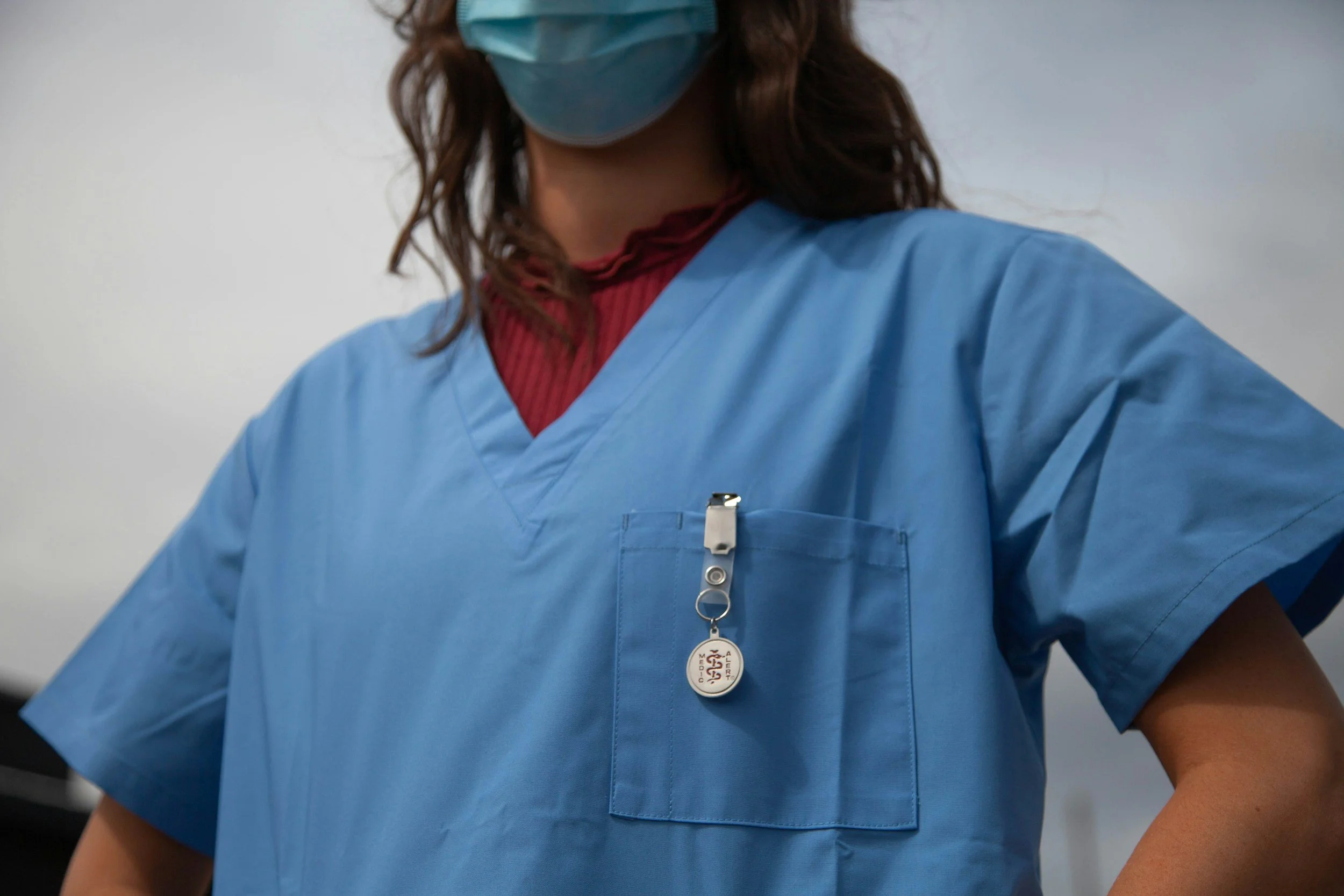
One of the most common things first responders and medical professionals say is, “I just can’t shut my brain off.” Even after leaving work, many people continue carrying the emotional intensity of the day long after their shift has ended. For some, this looks like replaying stressful situations over and over mentally. For others, it looks like emotional numbness, irritability, anxiety, or feeling disconnected from loved ones.
Healthcare workers and first responders are exposed to situations most people never experience regularly. They witness trauma, grief, emergencies, conflict, medical crises, loss, and high-pressure decision making daily. Their nervous systems often remain in a heightened state for long periods of time because their jobs require constant alertness and emotional control.
The problem is that the body does not always know when the “emergency” is over. Many first responders and medical professionals unknowingly stay stuck in survival mode even after they come home. Their nervous system remains activated, making it difficult to relax, sleep, emotionally connect, or fully feel present at home. This can create tension in relationships. Partners may interpret emotional shutdown or withdrawal as lack of care or lack of interest when in reality the person is emotionally overwhelmed and mentally exhausted. Some individuals become quieter and emotionally distant after difficult shifts. Others become irritable, impatient, or emotionally reactive.
Unfortunately, many people in helping professions feel pressure to stay strong at all times. They are often praised for being resilient, calm under pressure, and dependable. Because of this, many struggle to acknowledge when their own emotional health is suffering. Over time, chronic stress can begin affecting every area of life:
• Sleep difficulties
• Anxiety
• Emotional numbness
• Burnout
• Relationship strain
• Increased conflict
• Difficulty relaxing
• Hypervigilance
• Compassion fatigue
• Feeling emotionally disconnected
Many individuals also feel guilty asking for help because they compare themselves to others or believe they “should” be able to handle the stress on their own. But constantly functioning in survival mode takes a toll emotionally, mentally, and physically.
Therapy can help first responders and medical professionals better understand how chronic stress and trauma exposure impact the nervous system and relationships. It also provides tools for emotional regulation, stress management, communication, and reconnecting emotionally with themselves and loved ones. EMDR therapy is especially effective for many healthcare workers and first responders because it helps process unresolved trauma and reduce nervous system overwhelm. Trauma is not always about one major event. Sometimes it is the cumulative weight of years spent witnessing pain, loss, emergencies, and emotional pressure.
Healing does not mean becoming less capable at work. It means learning how to leave survival mode so your nervous system and relationships can begin feeling safe again. You deserve support too… even if you are usually the one helping everyone else. I offer therapy for first responders, healthcare workers, and couples in Rocklin, CA and online statewide throughout California.